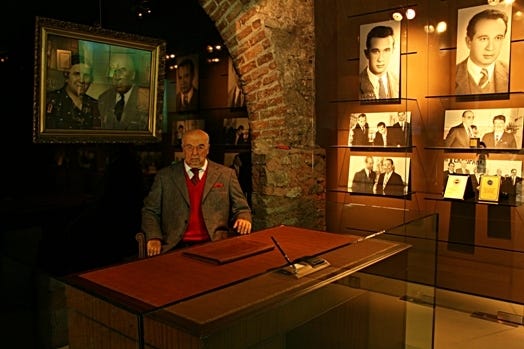
Cibali is one of the most nostalgic districts of Istanbul. In this district, there is Kadir Has University, built on a history, and the small but meaningful Rezan Has museum inside the university. There is a unique wax statue in the memorial room at the entrance of the museum, and this statue is dedicated to Kadir Has, one of the important names of the Turkish business world. To learn the meaning behind this wax statue, we tear down the walls in Cibali and embark on a journey from the beginning towards the story of Kadir Has.
Cibali is one of the most popular places in İstanbul, with its namesake Kadir Has University and the Rezan Has Museum, a small museum intertwined with history. How does it bear its name?
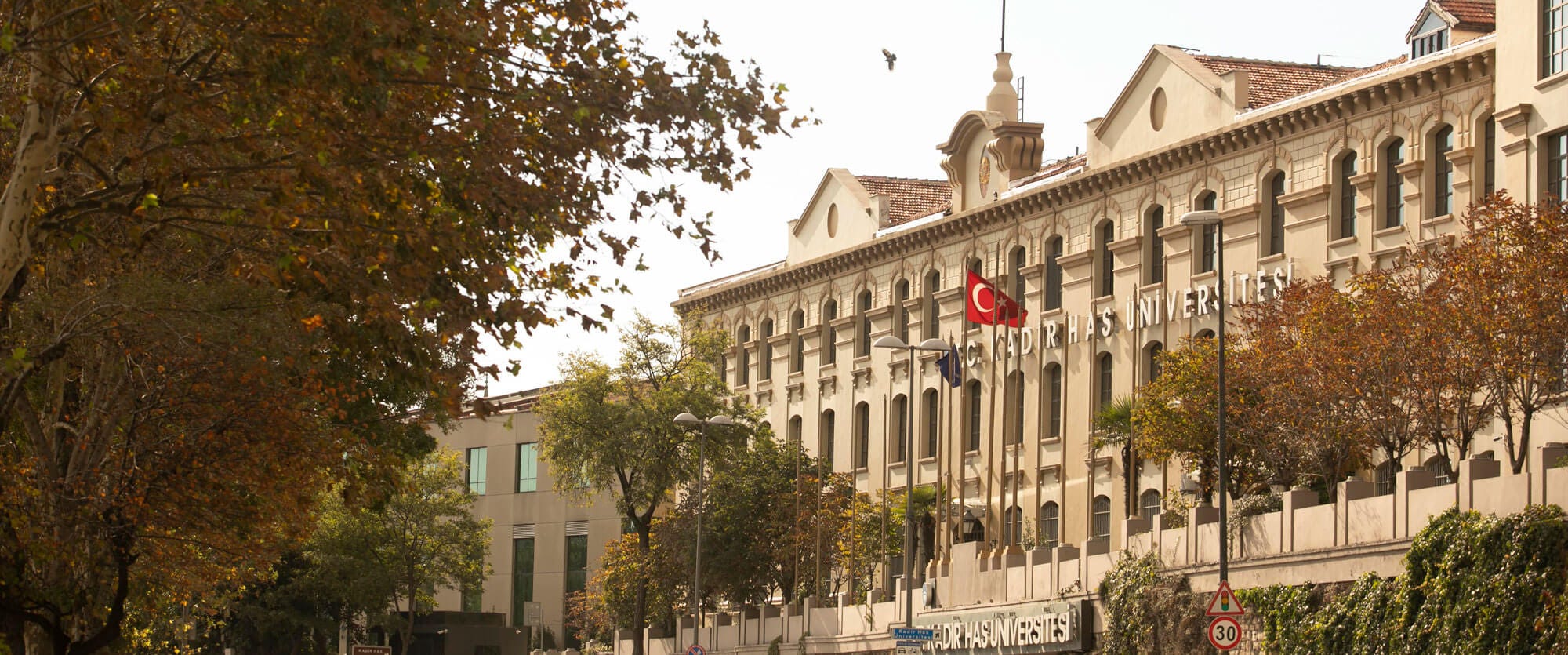
This place, formerly known as Cibali Tobacco Factory, now hosts Kadir Has University. The tobacco factory, which stopped operating in 1995, was transformed into a modern university campus by philanthropic businessman Kadir Has between 1998 and 2002. Kadir Has Foundation was deemed worthy of the European Nostra Award in 2003 for this meticulous and comprehensive restoration. Upon the discovery of a building ruin from the Ottoman period and a Byzantine cistern in this historical building, it was opened to visitors as the Rezan Has Museum.
Kadir Has University
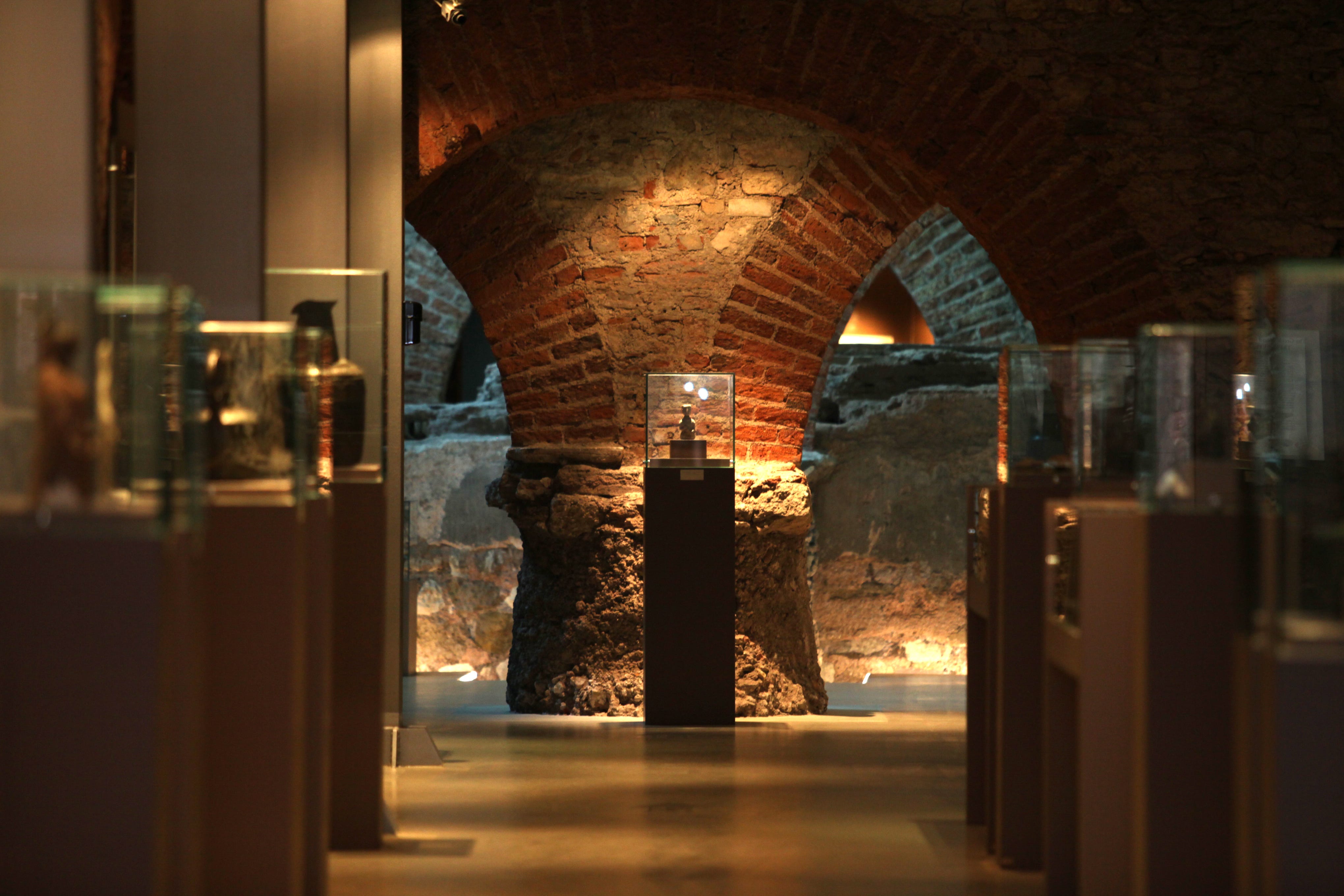
The museum takes its visitors back to the past with its permanent collection covering the period from the Neolithic age to the Seljuks, the Dark Fountain which is an 11th-century Byzantine cistern, and the 17th-century Ottoman hamman. One of the striking elements while visiting the museum is the paintings on the walls depicting the golden ages of the factory. This place, which gives the person the experience of wandering through three layers of history, it is truly impressive to discover historical places such as the 11th-century cistern, the 17th-century hammam and the 19th-century tobacco warehouse.
Rezan Has Museum
In Memorium of Kadir Has
Kadir Has lived the last days of his life as if it were a farewell. It all started the night before his death, with deep conversations he had with his daughter and son. That night, as a father who did not want his daughter to go home, remembering the board of trustees meeting that tomorrow would bring, he wished her good night and sent her off.
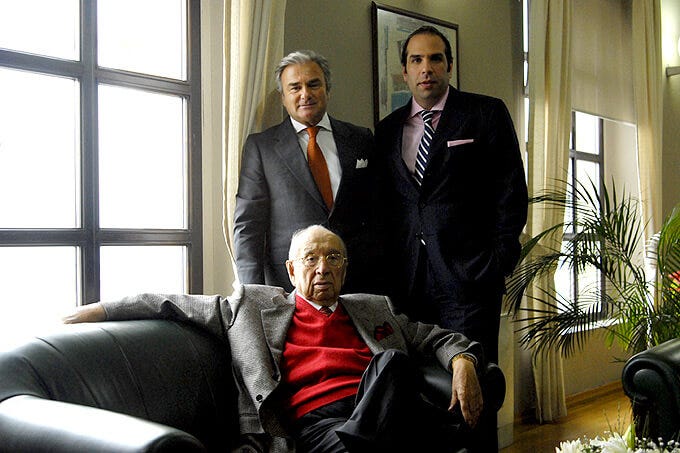
March 22, 2007 started like an ordinary day for Kadir Has, but what happened that day would be unforgettable for everyone. Before the meeting, perhaps out of an instinctive feeling, he called a photographer and took a souvenir photo with his loved ones. The time he spent at school that day had been one of the most precious moments for him; Because meeting with students and talking with them was what made him happiest. The words of Kadir Has in class, who wished success to the students in his speech that day, have now been turned into a video that can be watched on the tablet next to the wax statue in the Rezan Has Museum.
Photograph taken by the photographer on March 22, 2007 upon the request of Kadir Has.
Kadir Has, who set out with the words of his father Nuri Bey, "Building a school will save thousands of people from going to prison", has lived a life devoted to education since 1980.
On March 22, he toured the university to every corner, took photos with students in every field, and felt proud of the legacy he left behind. He had a warm smile on his face as he walked out of the university gate; Every beauty he experienced gave him perhaps the greatest happiness he could ever experience.
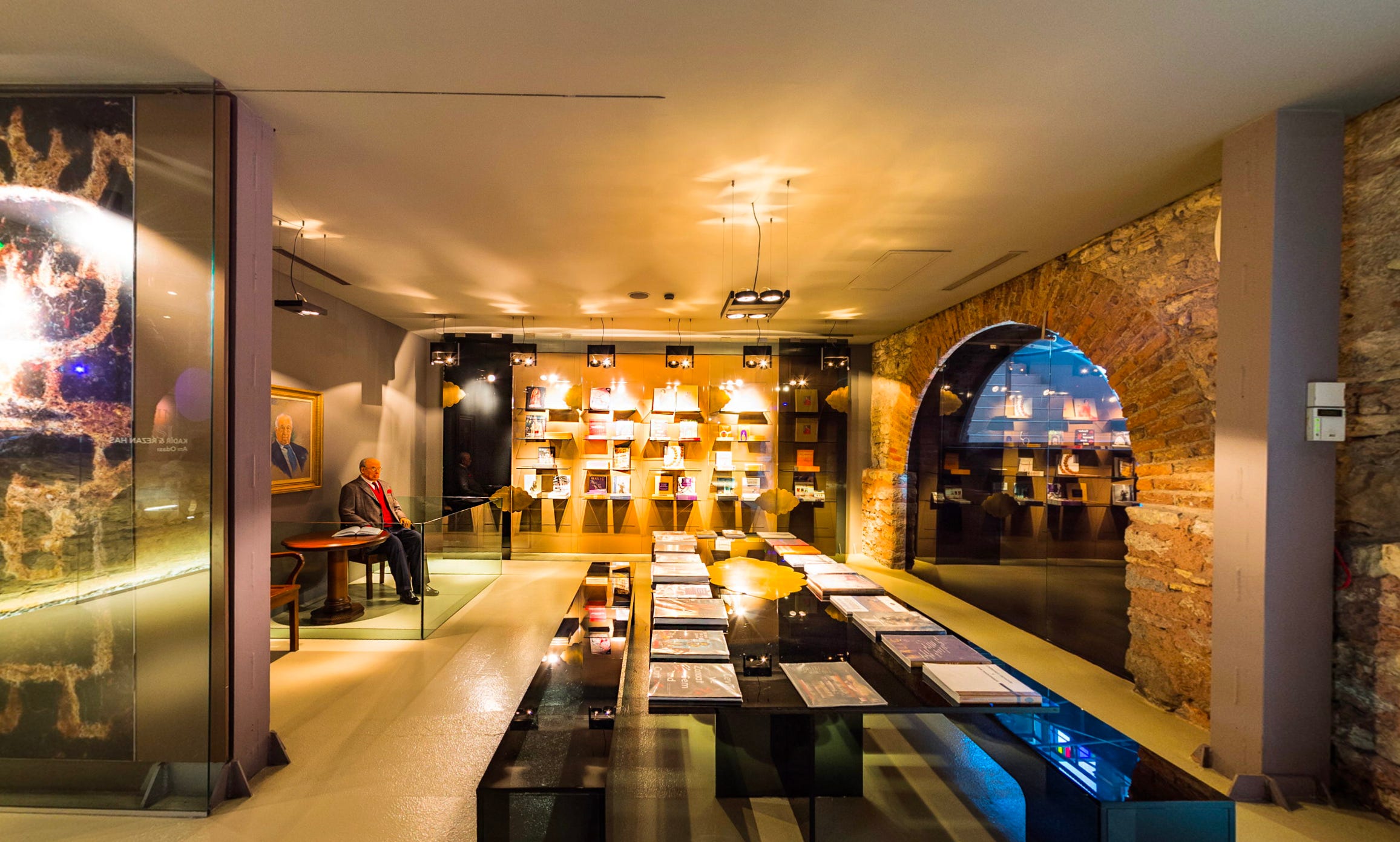
When he returned home, he put on his slippers and went to his study, as was his ordinary evening routine. However, complaints of fatigue and dizziness to his wife Rezan Has were a sign of an unexpected end. He died of a heart attack at his desk. Today, the wax statue exhibited in the Rezan Has Museum is equipped with the clothes that Kadir Has wore when he visited the university on his last day. The sculpture is positioned behind the desk and with a book in front of it. This realistic sculpture pays tribute to both Kadir Has's hard work and his last moment.
Wax Statue of Kadir Has
We broke through the ramparts of Cibali and entered the doors opened for us by Kadir Has University and Rezan Has Museum. The story behind the Kadir Has wax statue, which is perhaps a story that most museumgoers do not know, has been revealed. In Cibali's streets woven with history, every little detail carries meanings worth learning.